
Bringing Women’s Past Lives Out Into the Light
February celebrates Scottish Family History Month, and to showcase women’s stories, we are delighted to host a blog written by Sue Royal. Sue explores the challenges and rewards of uncovering women’s histories in her family research. As she pieces together her ancestry—navigating gaps in records and unearthing hidden stories of resilience, loss, and survival—she concludes that no life is too ordinary to be remembered.
Sue Royal was brought up in Scotland, Ireland, and the east of England. She has worked as a journalist on regional and national newspapers, as well as in the PR and communications departments of charities, including the RSPB, Missing People and Samaritans. She now lives on the south coast of England and writes fiction and a history blog for a local trust Port. Sue has written two novels, The Invisible Tide and The Unknown Shore, based loosely on the lives of her Irish and Scottish relatives.
Family history research can be presented as rather trivial, when at its best it can bring you closer to yourself as well as your ancestors.
The challenge is that the everyday heft and weave of women’s lives can be hard to access through the archives, where they are baldly defined by their births, marriages and deaths. At least in Scotland women’s maiden names were routinely recorded.
Just over a third of people in the UK (there doesn’t appear to be any separate figures for Scotland) have detailed knowledge about their grandparents, a YouGov survey from 2016 found, and only 5 per cent have any insight into their great grandparents’ lives.
The family history handed down to me by my Scottish born and raised mother and grannie arrived in snippets during my childhood, and any insight came much later.
Poverty, war and relationship breakdown scarred them, but they could not and would not be open about it. Shame, and the prevailing philosophy, to carry on and keep their families going, meant their mouths were stitched shut.
My grannie was born in Greenock on the west coast of Scotland at the end of the 1890s, when the town was dominated by shipbuilding. Her father, William Carnaghan, was a shipwright, making fittings for vessels still in high demand.
His wife, Elizabeth Campbell, was the daughter of a left hand hammerman, who also worked in the shipyards.
When I asked her about her childhood, grannie’s assessment was terse and bleak, and not what I was expecting: “My mother died when I was three, and my father ran away to sea and never came back.” She refused to elaborate.
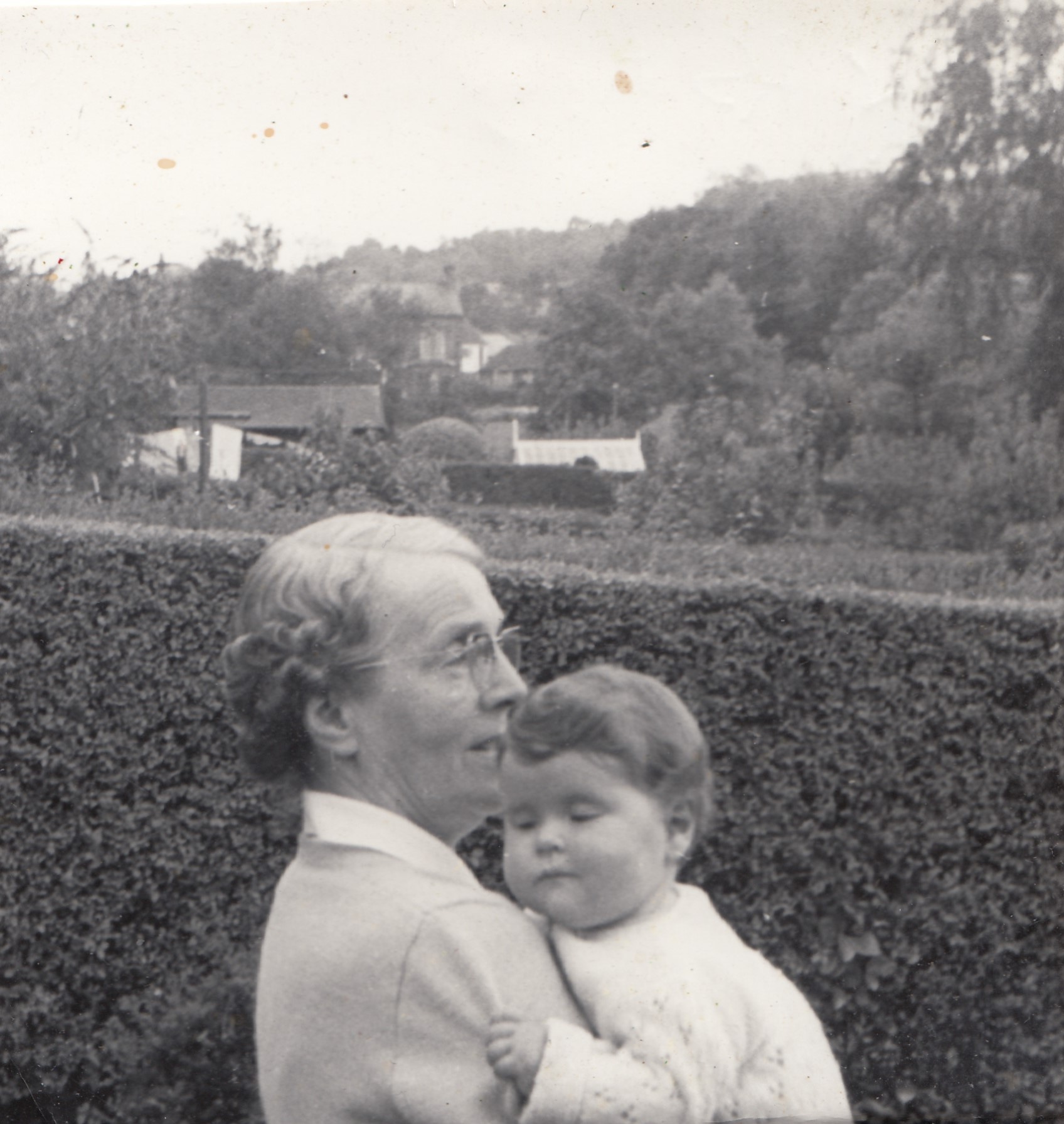
Researchers stub their toes on dead ends and mysteries frequently, especially when trying to uncover women’s history. Getting around blocks can drive revelations, however. It’s always a work in progress.
I couldn’t find any information about Elizabeth Campbell – no death certificate, no appearance in the official records on Scotland’s People or anywhere else.
Did she die, or did she leave, and if so, where did she go? This is a question I haven’t managed to answer yet – but I will keep looking.
Grannie was taken in by her father’s parents, who had nine children already. It wasn’t quite true that her father “never came back”, but he was more out than in his children’s lives, and he rapidly remarried and had two more children.
I did find out my grannie had a never-mentioned brother two or three years older, Jimmy. He died in October 1916 in the Zenith trench in France in a Somme-related battle, and his body was never found. His name appears on the war memorial at Thievpal and in North Berwick.
Jimmy also had syphilis, in common with up to ten percent of the UK population at the time, I discovered when excavating his wartime file at the National Archives.
Grannie married William Thomson, who had been badly wounded on the Somme. They had three children, two boys and a girl, my mother. When World War Two broke out in 1939, both her sons were of conscription age. She must have been anxious and terrified. My mother, who was a clerk at the Clydesdale Bank in George Street in Edinburgh, must have been strongly affected by her mother’s fears, and the need to support her.
Bank employees were required to take their turn at fire watching during bombing raids. One of the few stories my mother told about her experience was doing that alone. “I had to come back in the dark, and you weren’t allowed to show any light. I ran all the way across the park (probably Inverleith Park) to get home, in the pitch black.”
Her brother, who was a rear gunner in a Lancaster bomber, was shot down over Germany and held, wounded in Stalag Luft 3 until the end of the war. The youngest brother, also called Jimmy, was killed aged 19 in a road accident in Berlin in 1945.
So, my grannie’s worst fears were realised. She always appeared fragile, but she was not disposed to talk about it. Apart from saying: “My father was never the same again”, my mother didn’t talk about it either.
This inspired me to delve further to the beginning of the 1800s, where Grace McCulloch, a tenant farmers’ daughter from the Rhins of Galloway in southwest Scotland, was waiting.
Investigating her life, and that of her mother Elizabeth McCormick, has spawned two complete novels and part of a third. Are the lives we reveal when looking back at the women who came before us, too ordinary for notice?
I don’t agree, I find them extraordinary, and will keep trying to solve their mysteries.
Text Copyright © 2025 Sue Royal
Cite this page as: Sue Royal, ‘Bringing Women’s Past Lives Out Into the Light’, Women’s History Scotland blog (16 February 2025), https://womenshistoryscotland.org/?p=3578, accessed [todays date]
To contribute to our blog, please get in touch!