
Happy New Year from WHS! This month, we are delighted to host a guest blog from Lainey Dempsey, a traditional singer from Glasgow. Lainey has specialised in independent interactive arts and theatre for over 20 years. She is a singer and songwriter and frequently works collaboratively with musicians and artists as a vocalist and visual artist. Since 2020, Lainey has been involved in researching traditional songs and stories as well as developing her long-held interest in unaccompanied singing. Over this time she has been invited to share songs at Scottish and Irish traditional singing festivals. Her first album ‘Letle Telt’ is the result of inspiration found through meeting and listening to other traditional singers from across Ireland and the UK.
My dad was a singer, and he sang and listened to traditional folk music a lot when I was a young teenager. I was a budding feminist and remember struggling with some of the lyrics. This was due to what I considered to be their two-dimensional and often derogatory depiction of women. There was still much I found to enjoy within the folk music tradition though, particularly its grassroots political content.
Though diverted by punk and a thriving DIY music scene in Glasgow, my interest in traditional music and storytelling endured throughout my adult life. I would sporadically spend hours listening to field recordings by Alan Lomax and Hamish Henderson and particularly relished recordings of unaccompanied singers and storytellers from across Scotland.

At the beginning of the COVID-19 pandemic in 2020, a friend told me about a long-established Dublin-based traditional singing session that was moving online for the duration of the lockdown. I logged on weekly for what turned out to be well over a year and that was the first step that led to me recording my album, ‘Letle Telt’.
I started researching and learning traditional songs from dusty old antique books and continuing to write. Finding old songs that offered an expression of womanhood that deviated from either the submissive (usually virgin or wife) or the maligned (usually prostitute or harridan) was a laborious but worthwhile task. I pulled out songs narrated in the first person by women characters. I page-marked ballads that were written by women, and I learned songs that celebrated witty, defiant, and brave women. Other singers were interested in the material and asked for lyrics and melodies and so I began to consider recording a collection of the songs I was digging up. This was mainly so that I would have a direction to point people in should they ask again.
Meanwhile, I was also writing and singing my own songs about women from Scottish history and folklore. I sang about Mary Barbour, Mary Maloney, Lady Grange, and Isobel Pagan as well as songs about our selkie legends from the women’s perspective. Beyond Scotland, the other singers had never heard of Mary Barbour and the Glasgow rent strikes. I got emails from America, Australia, Ireland, and the rest of Europe from singers saying that they had looked up Mary Barbour and were blown away by her story. It was pleasing to be spreading the news about these women and I was happy to think that their stories were being told and sung in far-off places.
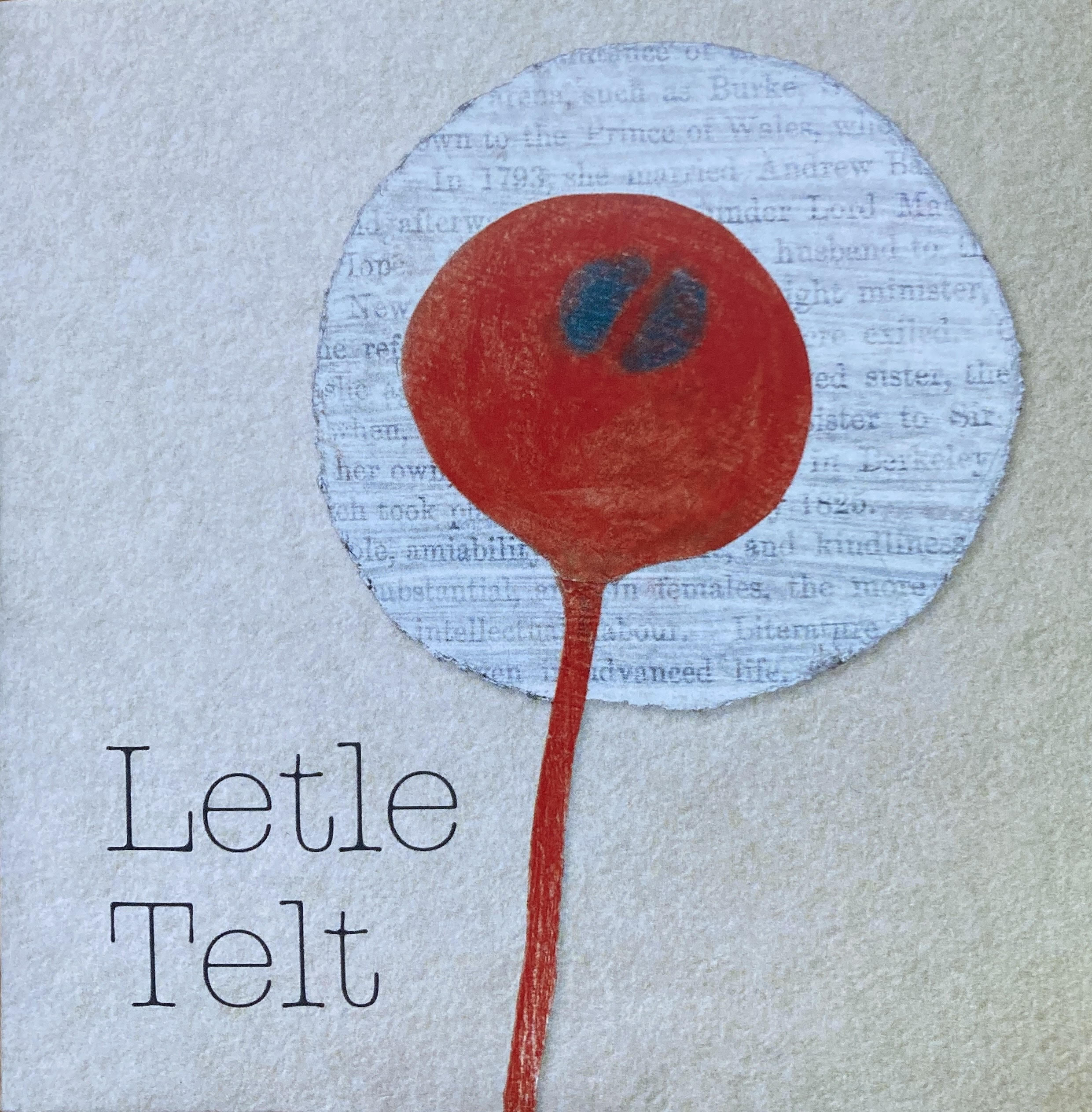
Finally, I decided to combine the two approaches and compile an album that contained half old but little-known traditional songs focusing on those with a strong female voice and half newly composed songs focusing on little-known stories about women from Scottish history. The lack of historically significant women present in our traditional balladry as well as our history books should not come as a surprise, but I still cannot help but be dumbfounded as well as frustrated by the scale of omission.
Many of the popular traditional song resources we have are from collections published in the 18th century. There are a few from the 17th century or before and many from the 19th but 18th century collectors such as Johnson, Child and Herd are generally thought to be among the gold standard references.
Often, in discussions around misogyny and sexism in traditional balladry, it is said that the songs are historical documents that simply reflect the truth of the times in which women were living. Certainly, truths about the lives of women in the 18th century are of course reflected in the contents of the ballads but I find the more interesting and powerful truth to be the consistent gender bias with regards to the authors, collectors, and publishers of the songs.
‘Certainly, the majority of scholarly male folklorists would not have considered songs written and collected by women worthy of publication. Inevitably the prevailing sexist attitudes of the day resulted in most of the women portrayed in traditional ballads being written from a male perspective.’
Women were generally considered by men to be lacking in intellect and certainly, the majority of scholarly male folklorists would not have considered songs written and collected by women worthy of publication. Inevitably the prevailing sexist attitudes of the day resulted in most of the women portrayed in traditional ballads being written from a male perspective. Many, I would argue, are written with at best wishful conjecture and at worst total delusion. The outcome of this would seem to manifest as a vastly disproportionate representation of heartbroken disgraced pretty-fair-maids, often wishing themselves dead if they cannot look after the man they love.
There have been and are countless great collectors, singers and writers who have focused on bringing more varied and realistic songs and stories about and by women to the forefront of traditional music. Songs and stories that challenge the narrative that historically women had little impact on society either politically or culturally. I hope that Letle Telt will have something to offer towards that much-needed shift in perspective.
Text Copyright © 2024 Lainey Dempsey
Webpage www.laineyd.org
Email laineydlt@gmail.com
Cite this page as: Lainey Dempsey, “Letle Telt: Songs and Stories Worth Sharing,” Women’s History Scotland blog (10 January 2024), https://womenshistoryscotland.org/2024/01/10/new-january-blog-lainey-dempsey/, accessed [today’s date]
To contribute to our blog, please get in touch!
Fascinating insight to the work. Thank you!
Great blog.
A great read, many thanks!
Very interesting, thanks. Of course traditional sound is often very heterosexist as well as sexist.
sorry – _song_
True Brian, all the biases present in todays society are present in our recorded history, including our traditional songs, more often than not by scale of omission.